Diabetes
I eat healthy
NEW! Ramadan Nutrition Framework for Patients with Diabetes #RAMADAN
A structured, evidence-based guide for healthcare professionals
- Ramadan fasting results in prolonged fasting hours followed by a compressed feeding window, which significantly alters glucose dynamics, hydration status, sleep patterns, and physical activity.
- In patients with diabetes, these changes increase the risk of:
- Post-prandial hyperglycaemia (particularly after Iftar)
- Late-day hypoglycaemia
- Dehydration and electrolyte imbalance
- Excess caloric intake and weight gain
Medical Nutrition Therapy (MNT) is central to risk mitigation during Ramadan and should be initiated 6–8 weeks pre-Ramadan, alongside risk stratification.
Core Objectives of Ramadan-Focused Nutrition Therapy
- During Ramadan, nutrition therapy aims to:
- Ensure adequate caloric intake during non-fasting hours to reduce fasting-related hypoglycaemia
- Optimise macronutrient balance and carbohydrate distribution to limit glycaemic excursions
- Use meal timing, sequencing, and structure to improve glucose predictability
- Integrate nutrition planning with comorbidities (e.g. hypertension, dyslipidaemia, renal disease)
The objective is metabolic stability: fewer hypoglycaemic events and fewer post-prandial hyperglycemias.
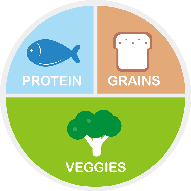
The Ramadan Plate Model
- The Ramadan Plate provides a visual and practical framework for structuring meals without restricting cultural food choices.
- Recommended distribution at main meals (Suhoor and Iftar):
- ½ plate non-starchy vegetables
- higher in fibre = slower glucose absorption, improved satiety
- ¼ plate protein
- decreased post-prandial glycaemia, preserves lean mass
- ¼ plate carbohydrates
- Choose lower-GI, higher-fibre sources
- Small amounts of unsaturated fats
- Improve meal satisfaction without excess caloric load
- ½ plate non-starchy vegetables
- Carbohydrates are included deliberately, not eliminated.
Iftar: Meal Sequencing and Glycaemic Control

- Following prolonged fasting, insulin sensitivity and counter-regulatory responses are altered.
- Recommended Iftar sequence:
- Fluids first (water or milk-based drinks)
- this restores hydration, prepares gastric emptying
- Follow with a small carbohydrate portion (e.g. 2-3 dates, counted as CHO)
- prevents excessive glucose surge
- Main meal structured using the Ramadan Plate
- Include protein + fibre = buffer carbohydrate absorption
- Meal sequencing is a key determinant of post-Iftar glycaemic response.
Suhoor: Metabolic Preparation for the Fasting Day

- Suhoor composition has a direct impact on:
- Late-day hypoglycaemia
- Energy stability
- Hunger and compensatory overeating at Iftar
- Suhoor should:
- Contain protein and fibre
- Avoid large high-GI carbohydrate loads
- Include fluids
- Be consumed as late as practically possible
- Carbohydrate-only or early Suhoor meals increase fasting risk.
Nutrition-Related Risk Patterns Observed During Ramadan
- Common patterns associated with glycaemic instability include:
- Excessively large Iftar meals
- High intake of refined carbohydrates and added sugars
- Sugar-dense desserts after Iftar
- Frequent evening snacking
- Rapid eating, impairing satiety signalling
- High-GI, low-protein Suhoor meals
- Increased frying and saturated/trans-fat intake
- Reduced physical activity and disrupted sleep
- These patterns are predictable and modifiable through structured counselling.
Hydration Considerations

- Encourage consistent fluid intake between sunset and dawn
- Prioritise water and unsweetened beverages including dairy
- Limit sugar-sweetened and caffeinated drinks
- Pair fluids with meals/snacks to improve tolerance
- Dehydration increases the risk of hypotension, hyperglycaemia, and renal stress.
Macronutrient Targets (Evidence-Informed Ranges)
- Typical daily targets (individualised):
- Carbohydrate: ~45–50% total energy
- Protein: ~20–30% total energy (≥1.2 g/kg adjusted body weight)
- Fat: <35% total energy
- Saturated fat <10% Emphasis on MUFA/PUFA
- Fibre: ~20–35 g/day (≈14 g/1000 kcal)
- Higher fibre and adequate protein are associated with improved satiety and reduced post-prandial glycaemia.
Energy Distribution Across Ramadan Meals
- Typical allocation:
- Suhoor: 30–40% total energy
- Iftar: 40–50%
- Snacks (if required): 10–20%
Physical Activity During Ramadan
- Light-to-moderate activity is generally safe
- Avoid prolonged or high-intensity exercise during fasting hours
- Post-Iftar activity is preferable
- Taraweeh prayers contribute meaningfully to daily energy expenditure
- Activity recommendations should be individualised based on risk stratification.
Criteria for Breaking the Fast (Clinical Safety)
- Patients should be advised to terminate fasting if:
- Blood glucose <3.9 mmol/L (70 mg/dL)
- Blood glucose >16.6 mmol/L (300 mg/dL)
- Symptoms of hypoglycaemia, hyperglycaemia, dehydration, or acute illness occur
- Breaking the fast under these conditions is medically indicated.


References
2
Mohd Yusof BN, Wan Zukiman WZHH, Abu Zaid Z, Omar N, Mukhtar F, Yahya NF, Shahar ASM, Hasbullah FY, Liu Xin Yi R, Marczewska A,
Hamdy O. Comparison of Structured Nutrition Therapy for Ramadan with Standard Care in Type 2 Diabetes Patients. Nutrients. 2020 Mar
19;12(3):813. doi: 10.3390/nu12030813
3
Mohd Yusof BN, Yahya NF, Hasbullah FY, Wan Zukiman WZHH, Azlan A, Yi RLX, Marczewska A, Hamdy O. Ramadan-focused nutrition
therapy for people with diabetes: A narrative review. Diabetes Res Clin Pract. 2021 Feb;172:108530.
4
Pratama SA, Kurniawan R, Chiu HY, Kuo HJ, Ekpor E, Kung PJ, Al Baqi S, Hasan F, Romadlon DS. Glycemic fluctuations, fatigue, and sleep
disturbances in type 2 diabetes during ramadan fasting: A cross-sectional study. PLoS One. 2025 Mar 5;20(3):e0312356.
5
Yusof BN, Yahya NF, Hasbullah FY, Zukiman WZ, Azlan A, Yi RL, Marczewska A, Hamdy O. Ramadan-focused nutrition therapy for people
with diabetes: a narrative review. diabetes research and clinical practice. 2021 Feb 1;172:108530.
6
Hamdy O, Yusof BN, Reda WH, Slim I, Jamoussi H, Omar MA. The Ramadan Nutrition Plan (RNP) for patients with diabetes. Diabetes and
Ramadan: practical guidelines [Internet]. 2017:73-83.

My Health Partner provide personalized, certified, and updated content for patients with multiple cardiovascular risks to have a healthier life. Follow our daily activities and recipes to reduce your risk of cardiovascular events.
Diseases
Living better
General information
Developed and approved by experts : Therapeutic aera experts, patient organizations and nutritionists.
The content is not intended to be a substitute for professional medical advice. Always seek the advice of your physician or other qualified health provider with any questions you may have regarding a medical condition.
Last modified date: 7/4/2022